Quick Answer
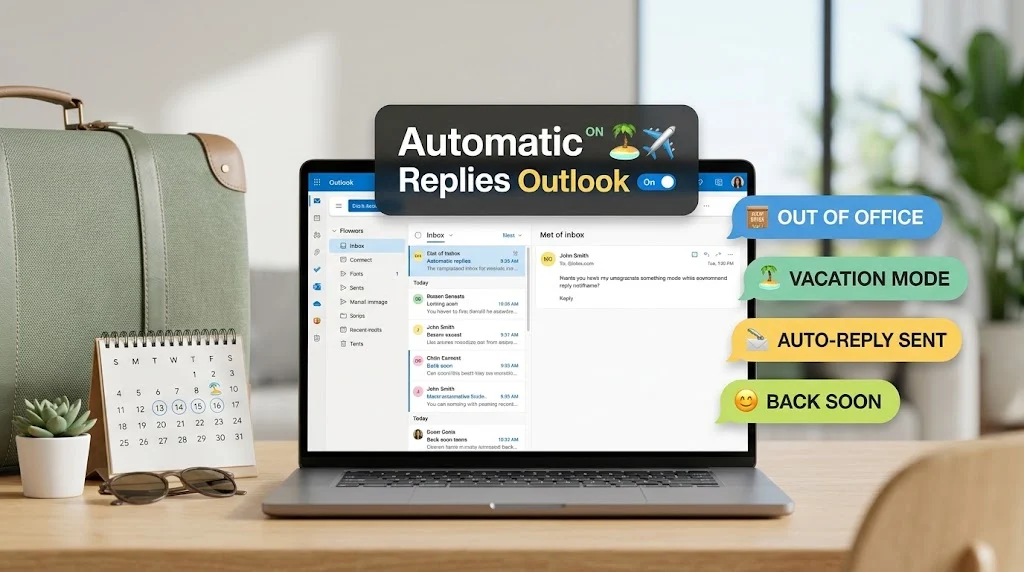
Automatic replies in Outlook are messages sent when you are away, unavailable, or unable to respond immediately. The best message clearly explains your availability and, when needed, gives an alternative contact.
Top alternatives: out-of-office reply, away message, vacation responder, absence message, auto-reply
Ever opened your inbox and thought, “I need an automatic reply that sounds professional but not painfully robotic”? Whether you are taking a vacation, stepping away from work, attending an event, or simply unavailable for a while, the right message can save you from answering the same “When will you reply?” question 47 times.
Automatic replies in Outlook are especially useful because they let coworkers, clients, friends, and other contacts know what is happening without requiring you to monitor your inbox constantly. A good auto-reply should be short, clear, and appropriate for the audience. You can keep it formal for work, friendly for teammates, or even slightly funny when the situation allows it. Here are ready-to-use ideas for almost every away-message situation.
Funny Responses
- “I’m currently away from my inbox and pretending emails do not exist.”
Example: Use this for a lighthearted message when taking a short break.
Meaning: It humorously explains that you are temporarily unavailable. - “My inbox and I are taking some personal space.”
Example: Use this when you want a playful vacation auto-reply.
Meaning: It jokes about stepping away from email. - “I’ve left the building, and Outlook knows about it.”
Example: Use this when you are away from work for the day.
Meaning: It gives a playful explanation for your absence. - “Currently unavailable, probably enjoying something better than email.”
Example: Use this for a casual out-of-office message.
Meaning: It humorously suggests you are enjoying your time away. - “Your email has arrived. My response has not.”
Example: Use this when you want a witty auto-reply.
Meaning: It makes clear that the message was received but a response will take time. - “I’m away, so your email is currently talking to itself.”
Example: Use this for a playful office message.
Meaning: It jokes about your inbox being unattended. - “Out of office, in office spirit only.”
Example: Use this during a short personal break.
Meaning: It humorously admits you are not actually working right now. - “I’ll reply when I return from my inbox vacation.”
Example: Use this during annual leave.
Meaning: It playfully describes being away from email. - “Currently offline and emotionally unavailable to my inbox.”
Example: Use this with colleagues who appreciate humor.
Meaning: It jokingly exaggerates your distance from work email. - “My keyboard is currently on a well-deserved break.”
Example: Use this when you are away for several days.
Meaning: It gives your absence a playful explanation. - “Email received. Human response pending.”
Example: Use this for a short and funny auto-reply.
Meaning: It confirms receipt while explaining the delayed response. - “I’m away chasing better things than unread emails.”
Example: Use this during a vacation.
Meaning: It humorously prioritizes your time away. - “Inbox status: please try again later.”
Example: Use this for a quick informal message.
Meaning: It communicates temporary unavailability. - “Currently out of office and inside my weekend.”
Example: Use this when taking a weekend break.
Meaning: It humorously emphasizes your time off. - “The emails can wait. Apparently, I cannot.”
Example: Use this for a playful vacation response.
Meaning: It jokes about needing a break from work.
Brutal Responses
- “I’m unavailable. Please do not expect an immediate response.”
Example: Use this when you need firm boundaries around your availability.
Meaning: It clearly communicates that you will not be responding right away. - “I’m away from email until further notice.”
Example: Use this when your return date is uncertain.
Meaning: It avoids promising a specific response time. - “Your email has been received and will be handled when I return.”
Example: Use this when you want a direct professional message.
Meaning: It sets expectations without unnecessary explanation. - “I am currently unavailable and unable to respond.”
Example: Use this during a period when you genuinely cannot check messages.
Meaning: It establishes a clear boundary. - “Please do not resend the same email while I’m away.”
Example: Use this when repeated messages would create unnecessary inbox clutter.
Meaning: It asks senders to avoid duplicate follow-ups. - “If it can wait, I’ll handle it when I’m back.”
Example: Use this for routine work requests.
Meaning: It separates urgent matters from nonurgent ones. - “I will respond when I am available again.”
Example: Use this when you want to avoid giving an exact deadline.
Meaning: It makes your response timeline clear without overpromising. - “Please respect the stated return date.”
Example: Use this when people frequently contact you before you return.
Meaning: It firmly reinforces your availability boundary. - “I’m away, so another email will not speed up my response.”
Example: Use this when repeated follow-ups are common.
Meaning: It directly discourages unnecessary reminders. - “For urgent matters, please use the alternative contact provided.”
Example: Use this when another person can handle urgent requests.
Meaning: It redirects important issues appropriately. - “My inbox is not being monitored regularly.”
Example: Use this when you will only occasionally check email.
Meaning: It warns people that immediate replies are unlikely. - “I’m unavailable during this period. Thank you for understanding.”
Example: Use this when you want firm but respectful wording.
Meaning: It establishes your absence politely. - “Please wait until I return before following up.”
Example: Use this for nonurgent matters.
Meaning: It discourages unnecessary follow-up messages. - “I’m away and will not be checking email consistently.”
Example: Use this during travel or extended leave.
Meaning: It clearly sets expectations. - “If it is not urgent, it can wait.”
Example: Use this when you want senders to prioritize genuinely important issues.
Meaning: It encourages people to avoid unnecessary escalation.
Flirty Responses
- “I’m away from my inbox, but I’ll be back soon.”
Example: Use this only for casual personal communication where playful wording fits.
Meaning: It keeps the message warm without promising constant availability. - “Currently unavailable, but definitely not ignoring you.”
Example: Use this when someone may otherwise think you are avoiding them.
Meaning: It reassures the recipient that the delay is not personal. - “Out of office, back in your notifications soon.”
Example: Use this for a playful message to someone you know well.
Meaning: It keeps the tone light and friendly. - “I’m away for now, but I’ll catch up when I’m back.”
Example: Use this when you want a warm but simple message.
Meaning: It communicates interest while maintaining your boundary. - “My inbox is on pause, not our conversation.”
Example: Use this for a close personal contact.
Meaning: It separates your email availability from the relationship. - “Gone for a bit, back before you know it.”
Example: Use this for a casual away message.
Meaning: It makes the absence sound brief and relaxed. - “Currently offline, surprisingly.”
Example: Use this when people are used to hearing from you quickly.
Meaning: It playfully acknowledges the unusual silence. - “I’ll be back to my messages soon.”
Example: Use this for a warm personal auto-reply.
Meaning: It reassures the recipient that communication will resume. - “Inbox break now, catch-up later.”
Example: Use this for a short casual message.
Meaning: It keeps the tone simple and playful. - “I’m away, so consider this your sign to be patient.”
Example: Use this with someone who appreciates teasing.
Meaning: It playfully asks them to wait. - “Temporarily unavailable, permanently appreciative.”
Example: Use this when you want a warm twist.
Meaning: It communicates temporary absence without sounding cold. - “I’m out for now, but your message is safely waiting.”
Example: Use this when you want reassurance.
Meaning: It confirms that their message has not been forgotten. - “Away today, catching up soon.”
Example: Use this when you want a concise personal response.
Meaning: It gives a simple expectation for future communication. - “My inbox is taking a break, too.”
Example: Use this when you want something playful and brief.
Meaning: It humorously personifies your inbox. - “Not available right now, but I’ll be back.”
Example: Use this when you want a warm, straightforward message.
Meaning: It clearly communicates temporary absence.
Polite Responses
- “Thank you for your message. I am currently away from my email.”
Example: Use this for a standard workplace absence.
Meaning: It politely acknowledges the sender. - “Thank you for reaching out. I will respond when I return.”
Example: Use this when you expect to answer after your absence.
Meaning: It sets a courteous expectation. - “I appreciate your message and will get back to you as soon as possible.”
Example: Use this when your response may be delayed.
Meaning: It shows appreciation while acknowledging the delay. - “Thank you for your patience while I am away.”
Example: Use this during vacation or leave.
Meaning: It politely asks for understanding. - “I am currently unavailable and will respond after my return.”
Example: Use this when you want a clear professional message.
Meaning: It communicates your absence directly. - “Thank you for understanding my limited availability.”
Example: Use this when you may occasionally check email.
Meaning: It politely manages expectations. - “I will review your message when I am back.”
Example: Use this for routine requests.
Meaning: It tells the sender when their message will be addressed. - “I appreciate you getting in touch.”
Example: Use this when you want a warmer opening.
Meaning: It makes the automatic message feel more personal. - “Please allow some additional time for a response.”
Example: Use this when you expect a backlog.
Meaning: It politely warns about possible delays. - “I’m away at the moment but will follow up when available.”
Example: Use this for a short absence.
Meaning: It communicates temporary unavailability. - “Thank you for your understanding during my absence.”
Example: Use this for a formal workplace message.
Meaning: It respectfully acknowledges the sender’s patience. - “I’ll respond as soon as I am able.”
Example: Use this when you cannot give an exact return time.
Meaning: It avoids making an unrealistic promise. - “Your message is important to me, and I will review it upon my return.”
Example: Use this when you want a reassuring tone.
Meaning: It signals that the message will not be forgotten. - “Thank you for contacting me. I’ll be in touch when I return.”
Example: Use this for a simple absence notice.
Meaning: It provides a courteous expectation. - “Thank you for your patience and understanding.”
Example: Use this at the end of an auto-reply.
Meaning: It closes the message warmly.
Professional Responses
- “I am currently out of the office and will return on [date].”
Example: Use this as a standard workplace auto-reply.
Meaning: It clearly states your absence and return date. - “I will have limited access to email during this time.”
Example: Use this when you may occasionally check messages.
Meaning: It explains why responses may be delayed. - “I will respond to your message upon my return.”
Example: Use this for routine business communication.
Meaning: It sets a clear expectation. - “For urgent matters, please contact [name or team].”
Example: Use this when another person handles urgent requests.
Meaning: It gives recipients an alternative route. - “Thank you for your email. I am currently away from the office.”
Example: Use this as a formal opening.
Meaning: It acknowledges the incoming message professionally. - “Your message has been received and will be reviewed after my return.”
Example: Use this when immediate action is not expected.
Meaning: It confirms receipt and explains the delay. - “I am unavailable from [date] through [date].”
Example: Use this when you want to provide exact dates.
Meaning: It makes your availability window clear. - “I will have limited availability during my absence.”
Example: Use this for partial availability.
Meaning: It warns recipients that responses may take longer. - “Please direct time-sensitive requests to the appropriate team.”
Example: Use this when your organization has a designated backup.
Meaning: It helps urgent matters reach the right person. - “I will address your email as soon as possible after returning.”
Example: Use this when you expect a busy inbox.
Meaning: It manages expectations without promising an exact time. - “I am currently unavailable due to scheduled leave.”
Example: Use this for a formal absence notice.
Meaning: It explains the absence in a professional way. - “Normal response times may be longer than usual.”
Example: Use this when you are checking messages intermittently.
Meaning: It prepares senders for delays. - “For immediate assistance, please use the designated contact.”
Example: Use this when a backup person is available.
Meaning: It provides a professional alternative. - “I appreciate your patience while I am away.”
Example: Use this as a closing line.
Meaning: It acknowledges the sender’s understanding. - “I look forward to responding when I return.”
Example: Use this when you want a polished closing.
Meaning: It signals that communication will continue afterward.
Creative Responses
- “Inbox closed for maintenance. Human returning soon.”
Example: Use this for a playful workplace message.
Meaning: It creatively explains your temporary absence. - “Currently exploring life outside the inbox.”
Example: Use this during vacation.
Meaning: It gives your absence a fun, memorable tone. - “The inbox is paused while I recharge.”
Example: Use this for a personal break.
Meaning: It frames your absence as time to rest. - “Your email has entered the waiting room.”
Example: Use this when you expect to respond later.
Meaning: It humorously describes delayed attention. - “Currently somewhere between unavailable and enjoying the break.”
Example: Use this for a casual vacation response.
Meaning: It communicates absence with personality. - “My inbox is taking a temporary timeout.”
Example: Use this during a short break.
Meaning: It makes the delay sound intentional and temporary. - “Away mode: activated.”
Example: Use this as a very short auto-reply.
Meaning: It clearly signals that you are unavailable. - “Email loading… please check back later.”
Example: Use this for a playful message.
Meaning: It humorously suggests that your response is delayed. - “Currently on a scheduled escape from notifications.”
Example: Use this during leave.
Meaning: It creatively explains why you are not responding. - “The inbox can wait while real life happens.”
Example: Use this during personal time.
Meaning: It emphasizes taking a break from work. - “Away from the keyboard, back to the inbox soon.”
Example: Use this for a simple creative message.
Meaning: It explains your temporary absence. - “Your email is safe. I’m just temporarily missing.”
Example: Use this when you want a playful tone.
Meaning: It reassures recipients that their message is not lost. - “Currently unavailable by design.”
Example: Use this when taking planned leave.
Meaning: It emphasizes that your absence is intentional. - “Inbox silence has officially begun.”
Example: Use this when starting vacation.
Meaning: It playfully announces your digital break. - “Back soon, inbox adventures pending.”
Example: Use this as a light closing.
Meaning: It suggests that emails will be handled later.
Sarcastic Responses
- “Yes, I am aware that emails exist. I’m just away.”
Example: Use this only with colleagues who appreciate dry humor.
Meaning: It playfully responds to the pressure of constant availability. - “Apparently, I’m allowed to take time off.”
Example: Use this during vacation.
Meaning: It jokes about taking a deserved break. - “The inbox survived without me before. It’ll manage again.”
Example: Use this with a relaxed team.
Meaning: It humorously reassures people that work can wait. - “Breaking news: I’m not checking email right now.”
Example: Use this for a playful out-of-office message.
Meaning: It dramatically announces your absence. - “My response time has entered vacation mode.”
Example: Use this during annual leave.
Meaning: It humorously explains slower replies. - “No, refreshing your inbox will not summon me.”
Example: Use this with close colleagues.
Meaning: It jokes about people waiting for your response. - “Email first. Me later. Actually, me much later.”
Example: Use this for a deliberately dramatic auto-reply.
Meaning: It emphasizes that your response will be delayed. - “I have temporarily resigned from inbox duty.”
Example: Use this during a short break.
Meaning: It jokingly describes stepping away. - “My inbox and I are currently not speaking.”
Example: Use this for a humorous personal message.
Meaning: It playfully describes disconnecting from email. - “I’ll respond when my calendar stops judging me.”
Example: Use this when taking scheduled leave.
Meaning: It humorously references a busy schedule. - “Out of office, because apparently that is a thing.”
Example: Use this when you want dry humor.
Meaning: It sarcastically acknowledges your planned absence. - “I’m away, and Outlook has already told everyone.”
Example: Use this when your auto-reply is doing the explaining.
Meaning: It jokes about the system announcing your absence. - “Please enjoy this automated response while I enjoy not responding.”
Example: Use this with close colleagues who appreciate sarcasm.
Meaning: It humorously contrasts your break with the recipient’s message. - “I would respond, but future me has that assignment.”
Example: Use this during vacation.
Meaning: It jokingly postpones the task. - “The inbox is open. I am not.”
Example: Use this as a short sarcastic line.
Meaning: It clearly communicates your unavailability.
Cute Responses
- “Thanks for stopping by my inbox.”
Example: Use this for a friendly personal auto-reply.
Meaning: It makes the automated message feel warmer. - “I’m away for a little while, but I’ll be back soon.”
Example: Use this for a short absence.
Meaning: It communicates temporary unavailability gently. - “Your message is waiting safely for me.”
Example: Use this when you want to reassure the sender.
Meaning: It confirms that their email will be seen later. - “Taking a little break, then I’ll catch up.”
Example: Use this during personal leave.
Meaning: It gives the message a relaxed tone. - “Thanks for your patience while I’m away.”
Example: Use this as a friendly closing.
Meaning: It shows appreciation for understanding. - “I’ll be back in the inbox soon.”
Example: Use this for a short out-of-office period.
Meaning: It communicates a future return. - “Until then, take care.”
Example: Use this as a warm closing.
Meaning: It leaves the recipient with a friendly impression. - “Thanks for reaching out, even if I can’t answer just yet.”
Example: Use this when you want a personal touch.
Meaning: It appreciates the sender despite the delay. - “A little inbox break is happening right now.”
Example: Use this during a personal break.
Meaning: It explains the absence in a gentle way. - “I’ll catch up with your message when I’m back.”
Example: Use this for friendly communication.
Meaning: It reassures the recipient that their message matters. - “Thanks for your understanding.”
Example: Use this in almost any friendly auto-reply.
Meaning: It politely acknowledges the recipient’s patience. - “For now, I’m temporarily offline.”
Example: Use this for a simple away message.
Meaning: It communicates a short-term absence. - “Your email is on my future to-do list.”
Example: Use this for a casual response.
Meaning: It signals that the message will be addressed later. - “I’ll be back before the inbox knows what happened.”
Example: Use this for a playful short absence.
Meaning: It makes the return sound lighthearted. - “Thanks for waiting for me.”
Example: Use this when you expect a delayed reply.
Meaning: It warmly acknowledges the recipient’s patience.
Dramatic Responses
- “The inbox will have to survive without me.”
Example: Use this for a humorous vacation message.
Meaning: It dramatically exaggerates your importance to the inbox. - “A great email silence has begun.”
Example: Use this when starting leave.
Meaning: It makes your absence sound like a major event. - “Until my return, the inbox waits.”
Example: Use this for dramatic humor.
Meaning: It playfully suggests that messages must wait. - “And now, I disappear from the email universe.”
Example: Use this when leaving for vacation.
Meaning: It dramatically announces your digital absence. - “The next chapter begins when I return.”
Example: Use this after setting an extended absence.
Meaning: It frames your return as a fresh start. - “My inbox journey pauses here.”
Example: Use this for a creative out-of-office message.
Meaning: It describes your break dramatically. - “The emails will remain. I will return.”
Example: Use this for playful dramatic humor.
Meaning: It assures people that you will eventually handle the messages. - “For now, the inbox waits in silence.”
Example: Use this during vacation.
Meaning: It dramatically emphasizes your absence. - “This concludes my temporary relationship with email.”
Example: Use this for a funny final line.
Meaning: It jokingly describes stepping away. - “My return shall be announced by a very full inbox.”
Example: Use this when expecting many emails.
Meaning: It humorously predicts the workload waiting for you. - “The great out-of-office era has begun.”
Example: Use this at the start of leave.
Meaning: It makes your absence sound like an exciting event. - “Email will continue without me.”
Example: Use this for understated dramatic humor.
Meaning: It acknowledges that work continues while you are away. - “Until then, the notifications shall remain unanswered.”
Example: Use this for exaggerated humor.
Meaning: It announces that you will not respond immediately. - “I leave the inbox in your capable hands.”
Example: Use this when joking with teammates.
Meaning: It humorously treats your inbox like an important responsibility. - “When I return, the inbox saga continues.”
Example: Use this after a long absence.
Meaning: It jokingly predicts a busy return.
Chill And Casual Responses
- “I’m away right now and will reply when I’m back.”
Example: Use this for a simple everyday auto-reply.
Meaning: It communicates your absence clearly. - “Out for the day. I’ll catch up later.”
Example: Use this for a one-day absence.
Meaning: It keeps the message short and relaxed. - “Taking a break from email today.”
Example: Use this during personal time.
Meaning: It explains why you are not responding. - “I’ll get back to you when I’m available.”
Example: Use this when your return time is flexible.
Meaning: It avoids promising an exact response time. - “Away from my desk for a bit.”
Example: Use this for a short absence.
Meaning: It communicates temporary unavailability. - “I’m offline for now.”
Example: Use this as a very short auto-reply.
Meaning: It clearly indicates you are unavailable. - “I’ll catch up on messages when I return.”
Example: Use this during vacation.
Meaning: It sets expectations for delayed replies. - “Thanks for your patience.”
Example: Use this as a simple closing.
Meaning: It politely acknowledges the delay. - “Back soon, then I’ll check in.”
Example: Use this during a brief absence.
Meaning: It communicates a relaxed plan to reconnect. - “Not checking email regularly right now.”
Example: Use this when you may only glance at messages occasionally.
Meaning: It warns that responses may be delayed. - “I’ll reply once I’m back online.”
Example: Use this during a digital break.
Meaning: It explains when communication will resume. - “Taking some time away from the inbox.”
Example: Use this during personal leave.
Meaning: It frames the absence casually. - “I’ll be in touch after I return.”
Example: Use this for a straightforward message.
Meaning: It promises follow-up without unnecessary detail. - “For now, I’m away.”
Example: Use this when you want maximum simplicity.
Meaning: It directly communicates your current status. - “Catch you when I’m back.”
Example: Use this for a friendly informal auto-reply.
Meaning: It creates a casual expectation of future contact.
Confident Responses
- “I’m currently unavailable and will respond when I return.”
Example: Use this when you want a confident professional tone.
Meaning: It establishes a clear availability boundary. - “My response will come after my return.”
Example: Use this when you do not want to imply immediate access.
Meaning: It sets a firm expectation. - “I am away and will address pending messages afterward.”
Example: Use this during scheduled leave.
Meaning: It communicates that work will resume later. - “I’m taking planned time away from email.”
Example: Use this when you want to confidently explain your absence.
Meaning: It presents the break as intentional. - “My inbox is not my priority while I’m away.”
Example: Use this only where a direct tone is appropriate.
Meaning: It clearly establishes your boundaries. - “I’ll respond according to my availability.”
Example: Use this when you cannot give an exact timeline.
Meaning: It avoids overpromising. - “Urgent matters should be directed to the designated contact.”
Example: Use this when your team has a backup person.
Meaning: It confidently redirects urgent requests. - “I will review messages after my return.”
Example: Use this for routine communication.
Meaning: It provides a clear expectation. - “I am unavailable during the stated period.”
Example: Use this when you want a direct formal statement.
Meaning: It establishes your absence without unnecessary explanation. - “Please plan accordingly around my absence.”
Example: Use this when your availability affects deadlines.
Meaning: It encourages others to account for your schedule. - “I will follow up when I am available.”
Example: Use this when you want a flexible timeline.
Meaning: It promises follow-up without committing to a specific hour. - “I’m unavailable, but the appropriate contact can assist.”
Example: Use this when a colleague can handle urgent matters.
Meaning: It keeps the process moving. - “I’m away by design and will reconnect afterward.”
Example: Use this for a confident but slightly creative tone.
Meaning: It presents your break as intentional. - “My availability is limited until [date].”
Example: Use this when you will have occasional access.
Meaning: It provides a precise expectation. - “I’ll take care of outstanding messages when I return.”
Example: Use this when you expect a backlog.
Meaning: It assures recipients that pending work will be addressed.
Emotional Responses
- “I’m taking some time to recharge and will respond when I return.”
Example: Use this when taking personal time away from work.
Meaning: It explains the absence with a human touch. - “I’m currently away and giving myself some much-needed space.”
Example: Use this when you want a personal but respectful message.
Meaning: It communicates the need for a break. - “Thank you for understanding that I may not respond immediately.”
Example: Use this when your absence is connected to personal priorities.
Meaning: It asks for patience without sharing private details. - “I’m stepping away for a little while and will reconnect soon.”
Example: Use this for a temporary break.
Meaning: It communicates temporary distance. - “I appreciate your patience while I take some time away.”
Example: Use this when you want a warm and sincere tone.
Meaning: It acknowledges the recipient’s understanding. - “I’m away for now and focusing on what needs my attention.”
Example: Use this when you want to protect your personal time.
Meaning: It establishes a thoughtful boundary. - “I’ll return to messages when I’m ready and available.”
Example: Use this when you cannot give a specific response date.
Meaning: It gives you flexibility while staying respectful. - “Thank you for giving me the time and space to be away.”
Example: Use this when you want a more personal closing.
Meaning: It expresses gratitude for respecting your absence. - “I’m taking a short pause from email.”
Example: Use this when you want minimal personal detail.
Meaning: It clearly explains your temporary absence. - “I’ll reconnect once I’m back.”
Example: Use this when you want a simple emotional tone.
Meaning: It reassures the recipient that communication will resume. - “For now, I’m prioritizing some time away.”
Example: Use this during personal leave.
Meaning: It confidently explains your temporary absence. - “I appreciate your understanding during this pause.”
Example: Use this as a warm closing.
Meaning: It thanks the recipient for respecting your situation. - “I’ll be back and ready to catch up soon.”
Example: Use this when returning after a short break.
Meaning: It offers a positive expectation for future communication. - “Thank you for your patience while I take this time.”
Example: Use this when you want to keep personal details private.
Meaning: It communicates gratitude without oversharing. - “Until then, thank you for understanding.”
Example: Use this as a gentle final line.
Meaning: It closes the auto-reply respectfully.
FAQs
What Are Automatic Replies In Outlook?
Automatic replies are messages Outlook can send automatically when you are away or unavailable. They are commonly used for vacations, leave, holidays, and temporary absences.
What Should An Outlook Auto-Reply Include?
A useful message usually includes your absence dates, expected return, response timing, and an alternative contact when necessary.
What Is A Good Professional Auto-Reply?
A simple option is: “Thank you for your message. I am currently away and will respond when I return on [date]. For urgent matters, please contact [name].”
Can I Use Automatic Replies For Short Breaks?
Yes. A short message can simply explain that you are temporarily unavailable and will respond when you return.
Should I Give My Exact Return Date?
Giving a return date can be helpful when you know it. It lets people understand when they can reasonably expect a response.
What If I Do Not Know When I Will Reply?
Avoid promising a specific time. Say that you will respond when you are available or after you return.
Conclusion
A great automatic reply does more than tell people you are away. It sets expectations, protects your time, and makes sure important messages have somewhere to go. The trick is matching the tone to the audience. Keep professional messages clear, make casual ones friendly, and save the jokes for people who will actually appreciate them.
You do not need a complicated paragraph to sound polished. A few well-chosen lines can communicate your availability, return date, and backup contact perfectly. Save this list whenever you need a fresh away message, and reuse the ideas that fit your personality. Your inbox can wait while you do what actually matters.
